For many directors and Chief Risk Officers, 2026 doesn’t feel like a year of “new” risks so much as a year of living inside a constant state of pressure. Deloitte’s Year Ahead 2026 describes hybrid warfare as one of the defining forces shaping the global environment — not just in cyber or geopolitics, but in how information, trade, and regulation are increasingly used as tools of influence. The effect is less a single risk shock and more a steady hum in the background of everyday decisions.
The World Economic Forum’s Global Risks Report 2026 echoes this, pointing to an “age of competition” where misinformation, geoeconomic tension, and social fragmentation sit near the top of leaders’ risk registers. What stands out is how often these risks land, not in systems, but in people — in how teams interpret signals, how customers react to headlines, and how trust forms or unravels.
This is where Edelman’s 2026 Trust Barometer brings the conversation closer to home. In a world where confidence in governments and media continues to thin, it finds that “my employer” remains the most trusted institution for many people. More than that, employees increasingly expect their organisations to help bridge divides and create some sense of shared ground in an increasingly polarised environment.
For boards, that shifts the focus of the risk conversation. Hybrid threats don’t just test controls and contingency plans — they test culture, credibility, and coherence. Risk appetite begins to look less like a set of metrics and more like a reflection of what an organisation stands for when pressure is applied.
If trust is becoming one of the most valuable forms of resilience, then risk leadership is no longer only about managing exposure. It’s about shaping the environment people work in, decide in, and believe in. The question for leaders is simple, but not easy:
what are you doing today to earn the trust your organisation will need tomorrow?
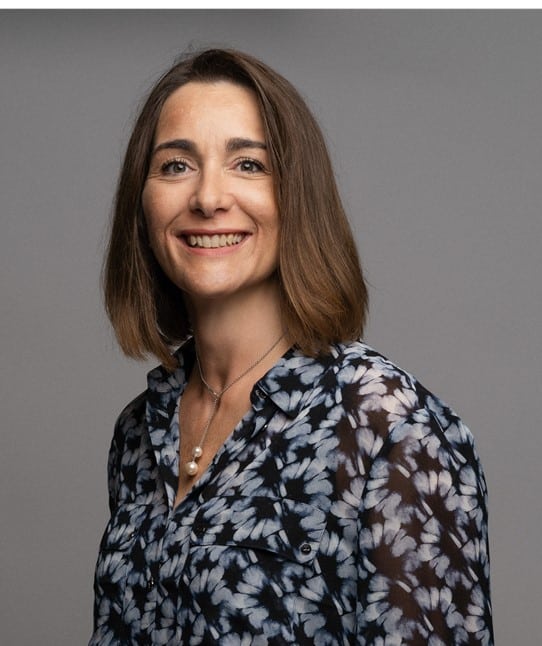
AUTHOR.
EMMA PRICE.